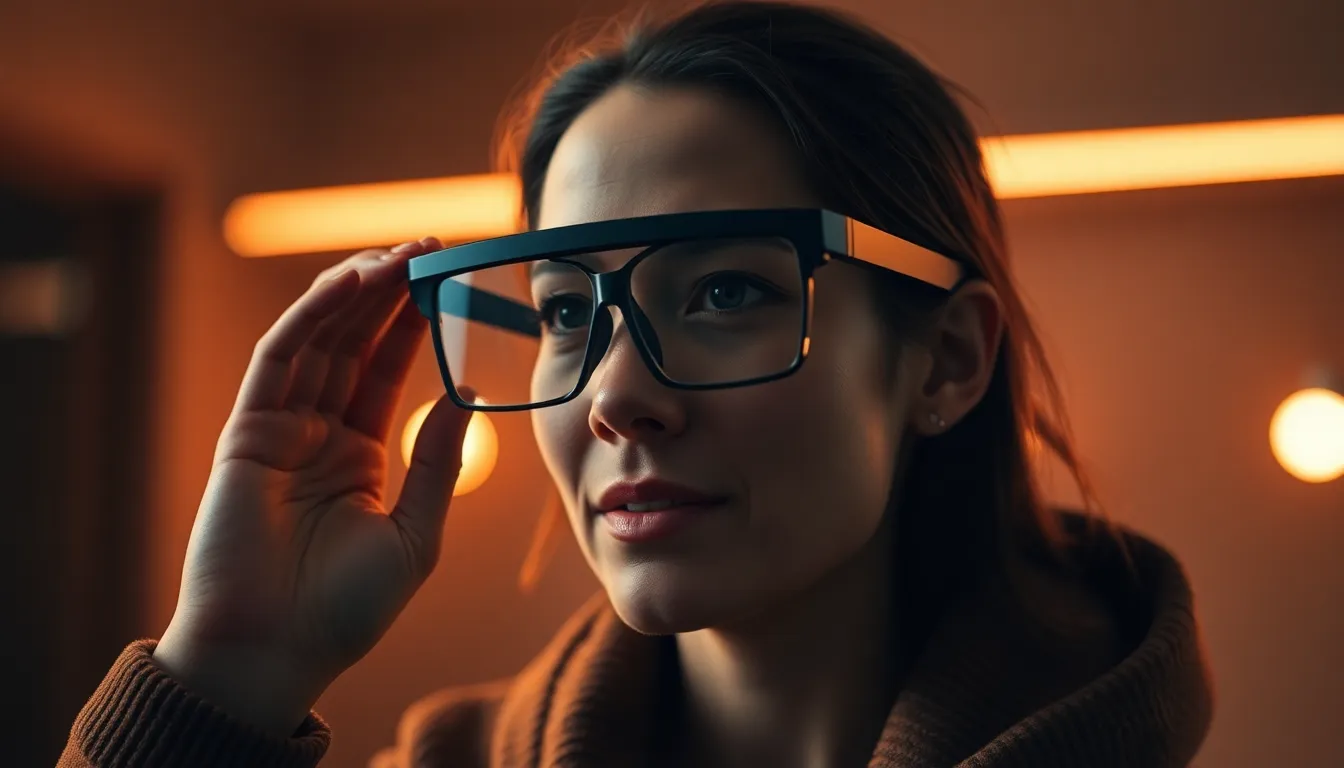
6 Smart Glasses Coming in 2026 That Could Replace Your Phone
The Smart Glasses Revolution Is Nearly Here
The smart eyewear market is accelerating toward a critical inflection point in 2026. Major tech companies and innovative startups are racing to launch devices that could fundamentally reshape how we interact with digital information, potentially reducing our dependence on traditional smartphones. Google's demonstration of Android XR eyewear at I/O showcased Gemini-powered AI designed specifically for hands-free operation and contextual awareness. Meanwhile, partnerships between established optical retailers and technology platforms signal that smart glasses are transitioning from niche gadget status to mainstream consumer products. The convergence of better display technology, refined AI integration, and practical retail distribution channels suggests 2026 will be the year smart glasses finally gain traction with everyday users rather than early adopters. These devices promise to deliver assistant capabilities and information display directly in your field of vision, fundamentally changing how professionals and consumers access information throughout their day while maintaining a form factor resembling traditional eyewear.
Leading Contenders: From Google to Meta's Ray-Ban Lineup
Several manufacturers are positioning themselves as market leaders for 2026 smart glasses adoption. Google's Android XR platform represents the company's definitive push into AR eyewear, emphasizing audio interactions and subtle visual cues rather than overwhelming holographic overlays. Xreal, partnering with Google, brings hardware expertise and refined MicroOLED display technology that could accelerate accessible AR solutions at competitive price points. Warby Parker's collaboration with Google creates a significant retail advantage, allowing consumers to try AI-powered glasses in optical stores and address fit and style concerns that derailed earlier AR attempts. Meta's Ray-Ban Smart AI Glasses continue dominating the consumer-facing market with familiar design aesthetics and multiple form factors, though privacy considerations remain for some buyers. Snap's lightweight Specs prioritize social-first features and creator tools, while Amazon explores utility-focused applications for logistics and shopping workflows. Each competitor targets different user priorities, whether fashion appeal, affordability, practical workplace use, or social content creation, ensuring diverse options for different consumer segments.
What 2026 Means for Your Digital Future
The arrival of multiple competitive smart glasses options suggests 2026 will be transformative for how we consume digital experiences. These devices could fundamentally change interaction patterns currently dominated by smartphone screens, offering hands-free information access and contextual AI assistance throughout your day. Developers should now prioritize building applications featuring voice-driven interfaces, glanceable information displays, and robust privacy controls optimized for eyewear platforms. Buyers shopping for Titanium AI Smart Glasses or similar devices should carefully evaluate ecosystem compatibility, privacy policies, and comfort for extended wear before committing to specific platforms. The market will likely split between fashion-forward consumer wearables, professional workflow tools, and social-first creator devices, each serving distinct user needs. Try frames in person when possible to assess fit and visual quality before purchase. Consider which ecosystem aligns with your existing devices and apps, as switching costs may be significant. Whether smart glasses ultimately replace phones remains uncertain, but 2026 will provide crucial market signals about which form factors, features, and manufacturers succeed in capturing mainstream adoption versus remaining niche products.
Source: 6 Smart Glasses Revealed For 2026 That Could Upend Phones – Here’s Why
We are a participant in the Amazon Services LLC Associates Program, an affiliate advertising program designed to provide a means for sites to earn advertising fees by advertising and linking to Amazon.com. As an Amazon Associate I earn from qualifying purchases. We also participate in other affiliate programs.