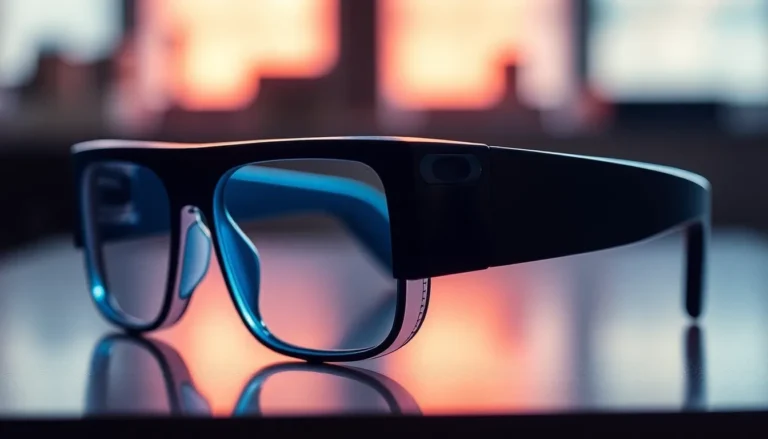
Android XR Smart Glasses Fall 2026: What Early Adopters Need
Google's Android XR Moment: From Concept to Consumer Reality
Google's May 2026 I/O event marked a turning point for augmented reality—one that shifted expectations from vague prototypes to tangible consumer hardware. The announcement of multiple partner-made frames, including options from Warby Parker and Gentle Monster, signals that AR glasses are transitioning from tech enthusiast novelty to mainstream wearables. Unlike previous years of demos without clear timelines, this reveal includes concrete shipping windows: audio-first frames arriving this fall, followed by display-equipped versions. This acceleration matters because it forces developers and retailers to prioritize AR experiences now, rather than waiting for someday adoption. For buyers considering whether to join early, understanding this timeline helps clarify whether you're investing in audio-only convenience or holding out for richer display capabilities. The competitive landscape is intensifying too—competitors offering AI Smart 4K Camera Glasses and similar technologies are watching closely as Google establishes the Android XR ecosystem.
Feature Breakdown: Audio-First vs. Display-Equipped Models
Google's two-tier rollout strategy addresses different user needs and comfort tolerances. Audio-first frames launch immediately, offering lightweight wearability with Gemini AI integration for voice commands, translation, and contextual assistance without screen fatigue. These lightweight designs reduce battery strain and encourage all-day use. The second wave introduces display-equipped Android XR glasses, with Xreal's Project Aura demonstrating impressive specs: a 70-degree OLED field of view and approximately four-hour battery endurance. This display tier unlocks navigation overlays, real-time translation visuals, gaming, and AR shopping experiences. Privacy-conscious users may prefer audio-only frames initially, while power users seeking immersive experiences will likely gravitate toward display models. Alternative options like Ray-Ban Meta Smart AI Glasses and Titanium AI Smart Glasses offer different feature sets worth comparing. The gradual rollout also lets consumers test daily comfort levels before committing to richer functionality. Battery life remains a critical trade-off—display models consume more power, making them better for specific tasks than all-day wear.
Practical Implications: Privacy, Adoption, and Your Fall 2026 Choices
As Android XR glasses prepare for mainstream availability, several practical considerations should guide your purchasing decision. Privacy stands as the foremost concern—on-device cameras tied to Gemini AI enable powerful translation and contextual features, yet they also record your surroundings. Understanding data collection policies and local privacy regulations becomes essential before purchase. Battery endurance represents another critical factor: while four-hour demonstrations seem respectable, real-world commuting and work scenarios demand honest assessment of whether you'll recharge mid-day. Early adopters also face the classic innovator's dilemma: buy audio-only glasses now for immediate convenience, or wait for display polish and expanded app ecosystems. Developer enthusiasm is building around Android XR compatibility, meaning fall 2026 will see rapid app expansion. Retailers preparing AR shopping experiences suggest genuine momentum beyond hype. Competitors like Ray-Ban Meta Smart AI Glasses have already established market presence, so comparing ecosystems matters. Consider your primary use case—translation while traveling differs from daily navigation or gaming. Start with honest reflection on whether wearable AR genuinely improves your routine or simply adds complexity and expense to your digital life.
Source: Google’s Android XR Glasses Reveal Fall 2026 Launch – Why It Matters Now
We are a participant in the Amazon Services LLC Associates Program, an affiliate advertising program designed to provide a means for sites to earn advertising fees by advertising and linking to Amazon.com. As an Amazon Associate I earn from qualifying purchases. We also participate in other affiliate programs.