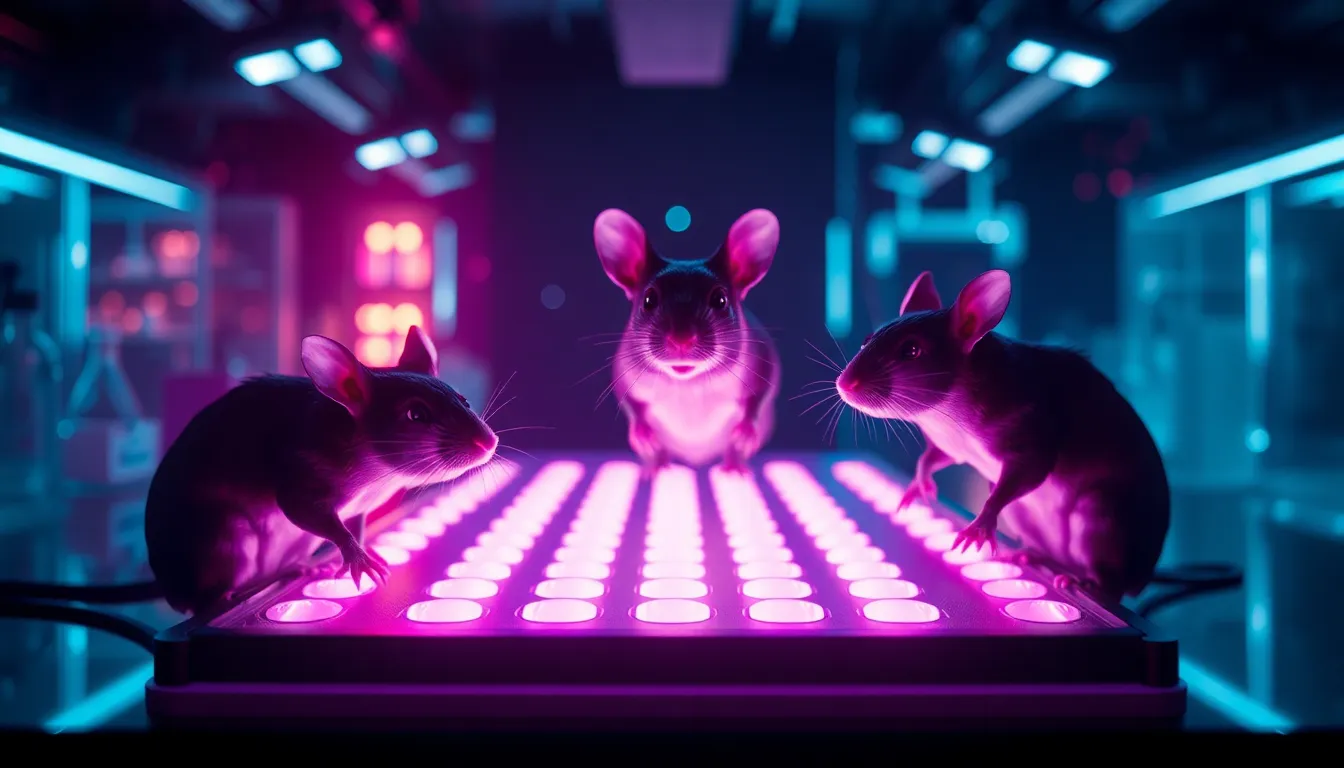
Virtual Lab Rats: How AI Is Revolutionizing Drug Testing
The Problem with Traditional Animal Testing
For decades, pharmaceutical companies have relied on live animals to evaluate drug safety before human trials. Each year, approximately 60,000 animals—including rats, mice, rabbits, and larger mammals—undergo testing to assess whether new compounds are toxic or effective. While this approach has provided valuable safety data, it raises serious ethical concerns. Animals experience pain and suffering during these procedures, and results don't always translate directly to human physiology. Many researchers and ethicists question whether this method remains justified, especially as technology advances. The emotional and moral weight of animal sacrifice in the name of science has prompted a significant shift in how the research community approaches drug development. Finding alternatives that maintain scientific rigor while eliminating animal suffering has become a priority for leading institutions worldwide.
Virtual Assay: A Breakthrough Solution
Scientists at the University of Oxford have developed a transformative solution called Virtual Assay—a sophisticated computer simulation designed to predict drug cardiotoxicity without harming animals. This innovative software models human cardiac cells with remarkable precision, allowing researchers to immediately identify compounds that could cause heart damage or irregular heartbeats. In testing, Virtual Assay successfully predicted arrhythmia risk in 89% of cases, significantly outperforming traditional rabbit heart cell testing, which achieved only 75% accuracy. The research team, led by biomedical engineer Elisa Passini, published these groundbreaking findings in Frontiers in Physiology, earning international recognition through the NC3Rs award. This achievement demonstrates that computer-based models can surpass biological testing methods in both accuracy and efficiency. The success of Virtual Assay opens doors for replacing thousands of animal tests annually while delivering superior scientific outcomes that better reflect human responses to medications.
The Future of Ethical Drug Development
The implications of Virtual Assay extend far beyond cardiac testing. Oxford researchers are currently expanding this technology into pain research and type 2 diabetes studies, with potential applications across virtually all pharmaceutical screening phases. By replacing traditional animal models with AI-driven simulations, the scientific community could eliminate over 60,000 animal tests annually—a conservative estimate that likely understates actual numbers. This shift represents not just ethical progress but scientific advancement; virtual models can be continuously updated with new data and refined for greater accuracy. As these technologies become more sophisticated and widely adopted, pharmaceutical development will become faster, more humane, and more reliable. The path forward suggests a future where cutting-edge computational tools and artificial intelligence work alongside researchers to create safer medications without animal sacrifice, benefiting both scientific integrity and global animal welfare standards.
Source: Virtual Lab Rats Could Replace Live Animals in Groundbreaking Study!
We are a participant in the Amazon Services LLC Associates Program, an affiliate advertising program designed to provide a means for sites to earn advertising fees by advertising and linking to Amazon.com. As an Amazon Associate I earn from qualifying purchases. We also participate in other affiliate programs.