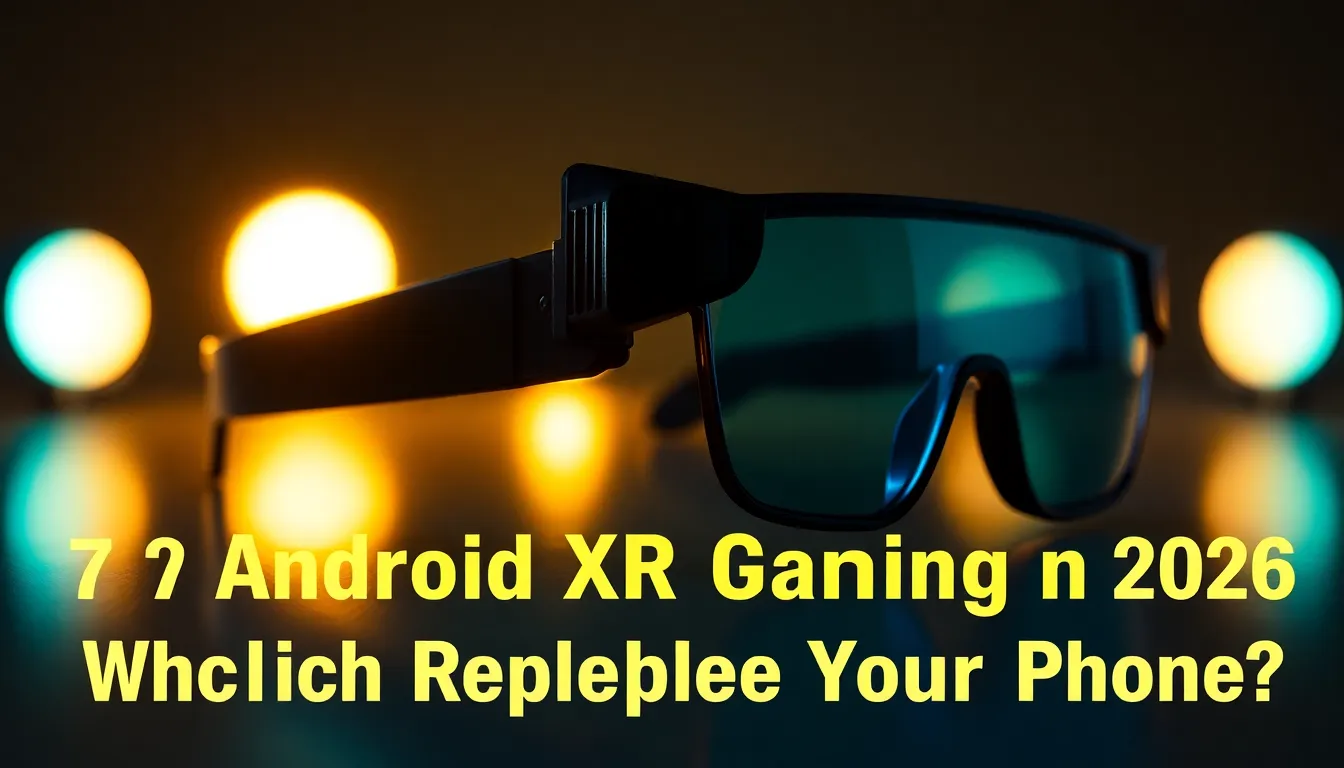
7 Android XR Glasses Coming in 2026: Which Will Replace Your Phone?
The Android XR Revolution: What Google's 2026 Announcements Mean for You
Google's revelation of Android XR at I/O 2026 marks a pivotal moment in wearable technology. The platform debut signals that AR glasses are transitioning from experimental prototypes to mainstream consumer devices. With multiple manufacturers embracing Android XR, including Samsung and fashion brands like Warby Parker and Gentle Monster, the ecosystem is finally maturing beyond isolated experiments. The announcement of Project Aura alongside two partner models demonstrates Google's commitment to diverse form factors and use cases. Rather than a one-size-fits-all approach, the 2026 lineup reflects three distinct strategies: compact, pocketable modules; stylish everyday frames; and cutting-edge in-lens prototypes. This diversification means buyers will have genuine choices based on lifestyle preferences rather than settling for a single option. The clustering of release windows in summer and fall 2026 creates both opportunity and challenge—early adopters gain access to innovative features, but initial hardware fragmentation might create compatibility concerns. Understanding these distinctions helps you evaluate which approach aligns with your daily routine and expectations for augmented reality integration.
Breaking Down the 7 Android XR Candidates: Features and Use Cases
The seven leading Android XR glasses each target specific user needs and preferences. Google's Project Aura, powered by Xreal Display technology, prioritizes portability—offering substantial AR capabilities without the bulk of traditional headsets. Warby Parker's collaboration with Samsung combines familiar eyewear aesthetics with Android XR functionality, appealing to style-conscious consumers who've avoided bulky smart glasses. Gentle Monster's offering similarly emphasizes fashion-first design while delivering augmented overlays, positioning AR as a lifestyle accessory rather than tech gadgetry. Samsung's reported July reveal of Galaxy Glasses introduces seamless smartphone integration and Car-to-Home automation, targeting commuters seeking hands-free convenience. Beyond individual devices, the Android XR developer kit and app marketplace represent the software foundation that determines practical value. The three-tier hardware strategy—pocket modules, fashion frames, and experimental in-lens designs—reflects market maturation. Early focus on hand-tracking technology and persistent AR overlays signals meaningful utility improvements over previous generations. Rather than promising sci-fi holograms, these devices emphasize practical features like navigation assistance, real-time translation, and streamlined communication. This grounded approach suggests 2026's glasses will actually solve everyday problems rather than exist primarily as novelties.
Making Your Decision: Which Android XR Tier Fits Your Lifestyle?
Choosing among 2026's Android XR options requires honest assessment of your priorities and usage patterns. If you prioritize maximum AR capability in the smallest form factor, the AI Smart 4K Camera Glasses and compact modules like Project Aura deliver professional-grade features without desktop-style bulk. For those valuing seamless integration with existing ecosystems, the Ray-Ban Meta Smart AI Glasses approach and Samsung partnerships offer straightforward connections to your smartphone and smart home. Fashion-conscious users should explore Warby Parker and Gentle Monster collaborations, which treat AR as secondary to wearable style. The Titanium AI Smart Glasses direction suggests durable, premium construction for users willing to invest significantly. Before committing to any purchase, prioritize testing demos across categories—hand-tracking responsiveness, app library breadth, and all-day comfort matter more than raw specifications. Examine the application ecosystem specifically; hardware excellence means little without compelling software. Consider your typical session length: brief notifications versus extended use demands different optical and thermal designs. Evaluate integration with your current devices—seamless phone pairing often outweighs isolated AR prowess. Finally, assess your tolerance for early-adopter fragmentation; 2026's initial offerings will mature significantly by 2027. Strategic early adoption of the right tier positions you at the forefront of AR adoption while minimizing regrettable purchasing decisions.
Source: 7 Android XR Glasses Releasing in 2026 That Could Change AR – Here’s Why
We are a participant in the Amazon Services LLC Associates Program, an affiliate advertising program designed to provide a means for sites to earn advertising fees by advertising and linking to Amazon.com. As an Amazon Associate I earn from qualifying purchases. We also participate in other affiliate programs.