Google & Samsung Smart Glasses 2026: What You Need to Know
What Google and Samsung Just Revealed About 2026 Smart Glasses
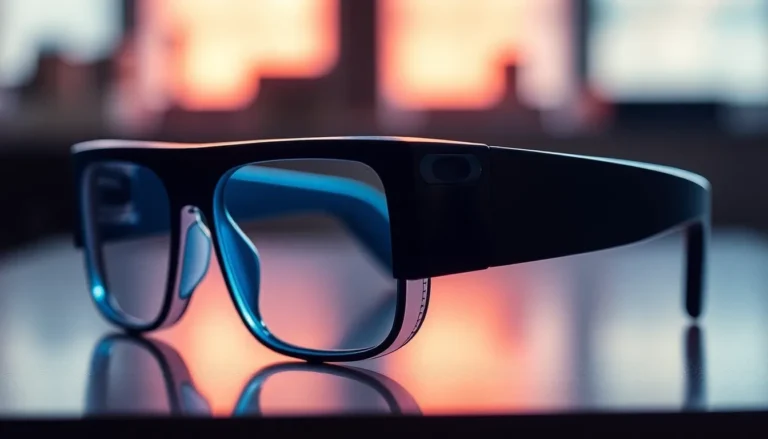
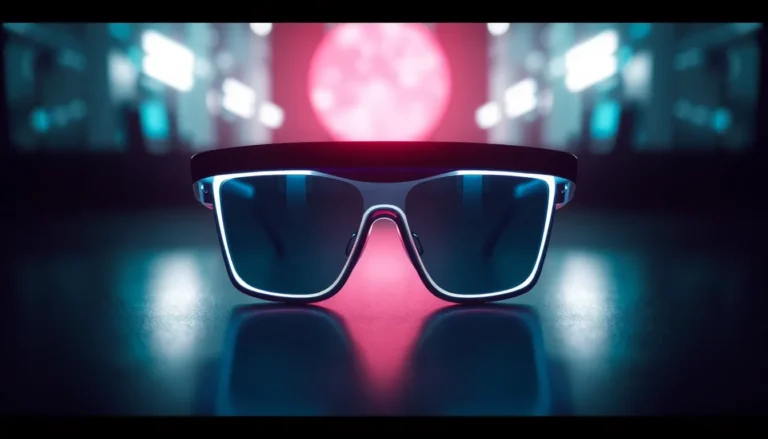
At Google I/O, Samsung and Google lifted the curtain on Android XR eyewear that promises to blend on-device sensors with Gemini AI capabilities. The announcement marks a pivotal shift: smart glasses are moving from concept demo to concrete consumer product with a confirmed fall 2026 launch window. Samsung will offer two premium models, while fashion partners Gentle Monster and Warby Parker provide stylish frame options designed to appeal to everyday users rather than early adopters alone. Google highlighted seamless Gemini integration that enables voice search, navigation guidance, and quick photo capture directly from your eyewear. This partnership structure—combining hardware expertise, software sophistication, and fashion credibility—signals that manufacturers are finally addressing the form-factor concerns that have plagued smart glasses for years. The emphasis on thin, wearable frames from established eyewear brands suggests the industry believes consumers won't adopt clunky prototypes. The fall 2026 timeline forces the entire ecosystem into action, from app developers preparing Android XR applications to retailers training staff on frame fitting and customization.
Why This Launch Timeline Matters Now
Google's public commitment to a concrete 2026 release date transforms augmented reality from speculative technology into a real market cycle. This compressed timeline creates urgency across multiple industries: app developers must prepare Android XR-native applications, mobile carriers need distribution strategies, and regulators must establish data-handling frameworks before devices reach consumer shelves. Early hands-on demonstrations released by tech creators and journalists within hours of the announcement already shaped initial expectations around voice interface responsiveness and photo capture quality. However, reviewers consistently flagged practical questions about battery life, weight comfort during extended wear, and privacy safeguards for always-on microphones and cameras. The fast-moving debate around these concerns will likely influence how manufacturers approach privacy controls and how retailers position the technology. A compressed development cycle means less time for polishing features, but it also signals genuine market confidence. If Google, Samsung, and partners successfully launch premium models by fall 2026, it could signal the beginning of mainstream AR adoption. Alternatively, delays or limited availability might trigger another waiting period before smart glasses become everyday accessories.
What Buyers, Developers, and Regulators Should Prepare For
The 2026 smart glasses push demands preparation across three critical stakeholder groups. Consumers should expect a learning curve with new interaction models—voice commands, gesture recognition, and head-mounted displays will feel unfamiliar initially. Developers face the challenge of reimagining existing apps for Android XR interfaces while creating native experiences that justify the wearable form factor. Retailers must train staff on frame sizing, prescription integration, and the basics of Android XR functionality to ensure smooth customer experiences. Regulators face perhaps the most significant task: establishing privacy frameworks before devices proliferate. Always-on cameras and microphones raise data-collection concerns that policy discussions must address proactively. The fashion partnerships with Warby Parker and Gentle Monster suggest manufacturers are taking mainstream appeal seriously, but privacy safeguards must equal that commitment to user acceptance. Early creator feedback praised the Gemini integration and sleek frame design while expressing reservations about sensor transparency and data controls. As fall 2026 approaches, expect industry stakeholders to intensify scrutiny around data practices, battery performance, and application ecosystems. The success of this launch cycle will depend not just on technological capabilities, but on building consumer trust through transparent privacy practices and practical everyday utility that justifies wearing intelligent eyewear.
Source: Google And Samsung Reveal Fall 2026 Launch, Gemini AI And Why It Matters
We are a participant in the Amazon Services LLC Associates Program, an affiliate advertising program designed to provide a means for sites to earn advertising fees by advertising and linking to Amazon.com. As an Amazon Associate I earn from qualifying purchases. We also participate in other affiliate programs.