Google’s Smart Glasses vs Ray-Ban Meta: Which Wins?
Design and Comfort: A Tale of Two Aesthetics
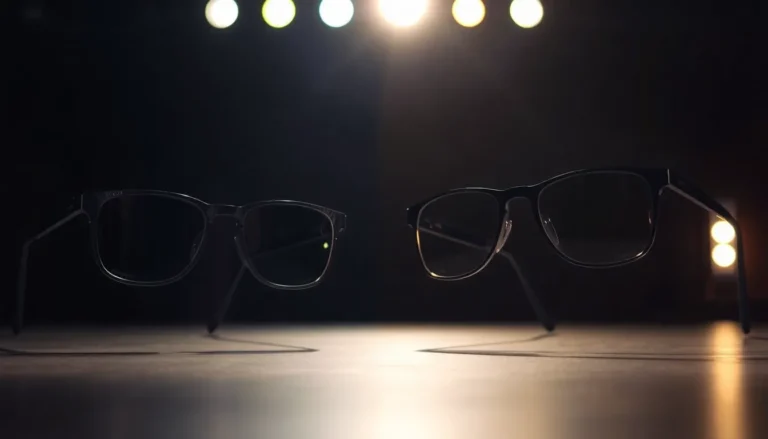
Google's upcoming intelligent eyewear collection features designs from two distinct brands: Warby Parker and Gentle Monster. Each brings a different philosophy to smart glasses fashion. Warby Parker opts for understated elegance with frames that blend seamlessly into everyday wear, while Gentle Monster takes a bolder approach with statement-making designs. Both options have merit depending on personal style preferences. What's particularly impressive is that these prototype frames weigh under 50 grams, suggesting the final consumer versions will be remarkably lightweight for all-day wear. Comfort during extended use is critical for smart glasses adoption, and this weight consideration shows Google understands user needs. Additionally, both design partners have committed to prescription compatibility, addressing a significant market gap. Whether you prefer subtle or bold aesthetics, Google's approach to offering multiple design partnerships demonstrates confidence in the AI Smart 4K Camera Glasses concept. The Ray-Ban Meta Smart AI Glasses have established a strong design precedent, but Google's dual-design strategy provides more options for diverse consumer tastes. Early reports suggest these frames will rival traditional eyewear in appearance while delivering cutting-edge technology.
AI Capabilities: Gemini Live Changes the Game
The real competitive advantage lies in Google's Gemini Live integration, which fundamentally transforms how users interact with intelligent eyewear. Rather than navigating clunky voice command hierarchies, users simply press and hold the frame stem to initiate natural, conversational dialogue with the AI assistant. This seamless interaction model represents a significant leap forward compared to existing smart glasses solutions. During testing scenarios—analyzing artwork, reviewing recipes for allergen safety, and generating creative images—Gemini Live demonstrated impressive contextual understanding and descriptive responses. The AI provides detailed explanations and helpful guidance that feels genuinely useful rather than gimmicky. Integration with Google's ecosystem amplifies functionality: receive message summaries, obtain real-time navigation directions, and access services without constantly reaching for your phone. This level of integration with everyday applications makes the Titanium AI Smart Glasses concept particularly compelling. The conversational AI approach feels more natural and intuitive than competitors, potentially reducing the learning curve for new users. For professionals and casual users alike, having immediate access to AI assistance while keeping hands free and eyes focused represents a meaningful productivity enhancement that Ray-Ban Meta Smart AI Glasses haven't fully achieved.
Display Technology and Future Potential
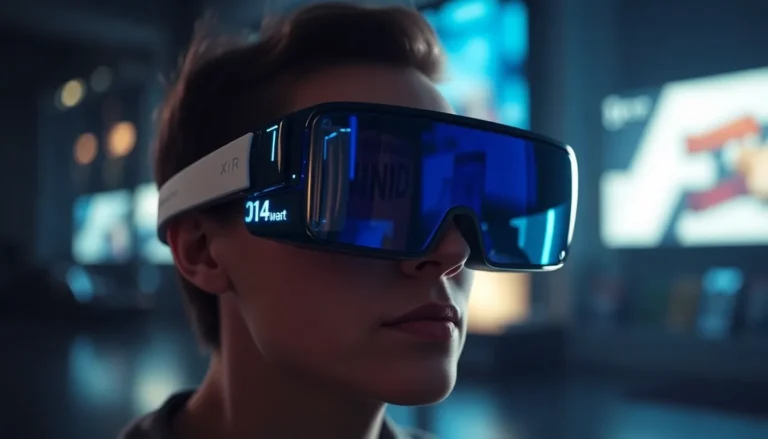
While first-generation consumer models will launch without integrated displays, Google's prototype includes a monocular waveguide display that showcases impressive possibilities. This heads-up display provides contextual visual information—directional navigation arrows, map overlays, and augmented reality features—that could revolutionize how users experience their surroundings. The prototype demonstrated practical applications like turn-by-turn directions with map visualization and playful features such as superhero image generation. These capabilities hint at the sophisticated AI Smart 4K Camera Glasses experience coming to future iterations. The decision to launch without displays in initial versions represents a pragmatic approach, prioritizing software stability and user experience over feature completeness. Google's phased rollout strategy contrasts with competitors rushing full-featured solutions to market. This methodical approach could result in more refined, user-friendly products. The waveguide display technology appears significantly more refined than earlier smart glasses attempts, suggesting Google has invested considerable R&D into making augmented reality truly practical rather than novelty. As the technology matures, integrated displays could transform how users access information, navigate environments, and interact with digital content—all while maintaining natural eye contact and social presence. The Ray-Ban Meta Smart AI Glasses may feel dated once this display technology becomes standard.
Source: I tested Google’s “Intelligent Eyewear,” and found the smart glasses that will defeat Ray-Ban Meta
We are a participant in the Amazon Services LLC Associates Program, an affiliate advertising program designed to provide a means for sites to earn advertising fees by advertising and linking to Amazon.com. As an Amazon Associate I earn from qualifying purchases. We also participate in other affiliate programs.