Android XR Smart Glasses 2026: What Google’s 70° FOV Demo Means
Google's Android XR Vision: Making AR Practical for Daily Life
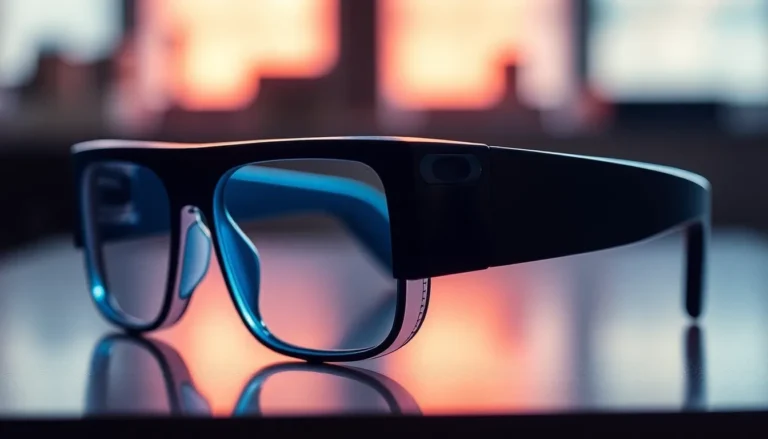
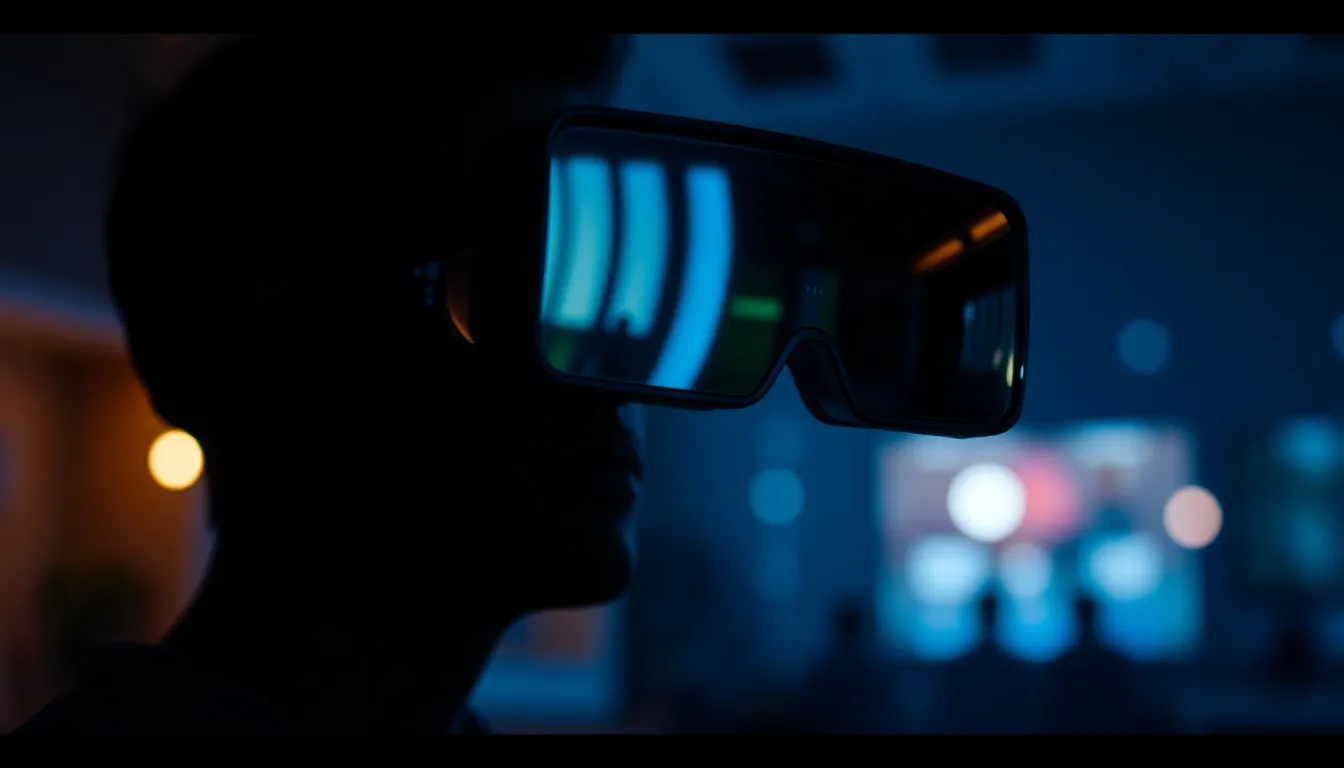
Google's May 2026 I/O presentation marked a turning point for augmented reality glasses, moving the technology from concept to tangible prototype. The demonstration featured a 70° field of view OLED display integrated into lightweight eyewear—a significant step toward mainstream adoption. Unlike bulky headsets that dominated previous AR conversations, these glasses prioritize comfort and wearability, making them genuinely feasible for all-day use. The partnership with established eyewear brands like Warby Parker and Gentle Monster signals serious intent to distribute AR glasses through familiar retail channels rather than niche tech stores. Google's approach emphasizes incremental rollout: audio-only models arriving in 2026, followed by full display versions in fall 2026. This staged launch strategy suggests the company learned from previous AR missteps by prioritizing device maturity over speed to market. The integration with Android 17 and Gemini AI creates a cohesive ecosystem where existing smartphone apps could eventually migrate to wearables. Early demos showed impressive battery performance of approximately four hours, though heavier use cases may require the tethered battery pack shown in prototype versions. This balanced approach acknowledges current limitations while setting realistic expectations for consumers.
The Game-Changer: 45-Second Generative AI Edits and Real-Time Context
Perhaps the most compelling feature demonstrated at Google I/O was Gemini's ability to perform meaningful image edits and enhancements in just 45 seconds. This rapid processing capability, enabled by Google's Nano Banana pipeline architecture, transforms AI from a luxury feature into a practical daily tool. Users can instantly enhance photos, apply intelligent filters, or extract information from their surroundings without experiencing the lag that currently frustrates mobile AI applications. The combination of on-device processing and cloud integration ensures both speed and sophistication—some tasks complete locally while complex operations leverage Google's servers. This hybrid approach represents a major advancement in how augmented reality glasses handle computational demands. Visual positioning technology, powered by your phone's camera and GPS, creates a location-aware context layer that makes navigation, shopping, and information discovery feel natural and seamless. Rather than requiring separate AR applications, the system enhances your existing phone experience by projecting relevant data into your field of view. The implications extend beyond entertainment; professional applications like live translation, real-time navigation, and contextual information display could transform productivity. Early reviewers noted that this speed fundamentally changes how people perceive AR usefulness—fast enough to feel essential rather than experimental.
Privacy Concerns and What Users Should Know Before Adopting Smart Glasses
As with any wearable technology featuring cameras and AI processing, privacy considerations deserve careful scrutiny. Even audio-only models in the 2026 lineup include built-in cameras, creating legitimate questions about data collection and storage. Privacy advocates are rightfully asking how Gemini's visual context processing will handle sensitive information captured in everyday scenarios—your home, financial documents, or personal moments. The key concern isn't whether these glasses include cameras, but rather how transparently companies handle the data they collect and whether users maintain meaningful control over that information. Google's track record with privacy includes both commitments and controversies, so consumers should carefully review default settings before purchase. The demonstration emphasized on-device processing for many tasks, reducing cloud dependence and theoretically strengthening privacy by design. However, truly sensitive operations will inevitably require cloud processing, making clear user consent mechanisms essential. Battery optimization and local-processing options should become standard requirements rather than premium features. Users valuing privacy should prioritize glasses with granular permission controls, transparent data logging, and the ability to disable cameras entirely when not needed. As the smart eyewear market develops, competitive pressure should push manufacturers toward privacy-first designs rather than surveillance-first monetization models. The 2026 launches represent an opportunity to establish better privacy standards before mass adoption makes change difficult.
Source: Google’s Android XR Glasses Reveal 70° FOV And 45s Gemini Edits In 2026 – Why It Matters
We are a participant in the Amazon Services LLC Associates Program, an affiliate advertising program designed to provide a means for sites to earn advertising fees by advertising and linking to Amazon.com. As an Amazon Associate I earn from qualifying purchases. We also participate in other affiliate programs.