Apple Glasses Hand Gestures: Innovation or Pipe Dream?
The Hand Gesture Innovation Challenge
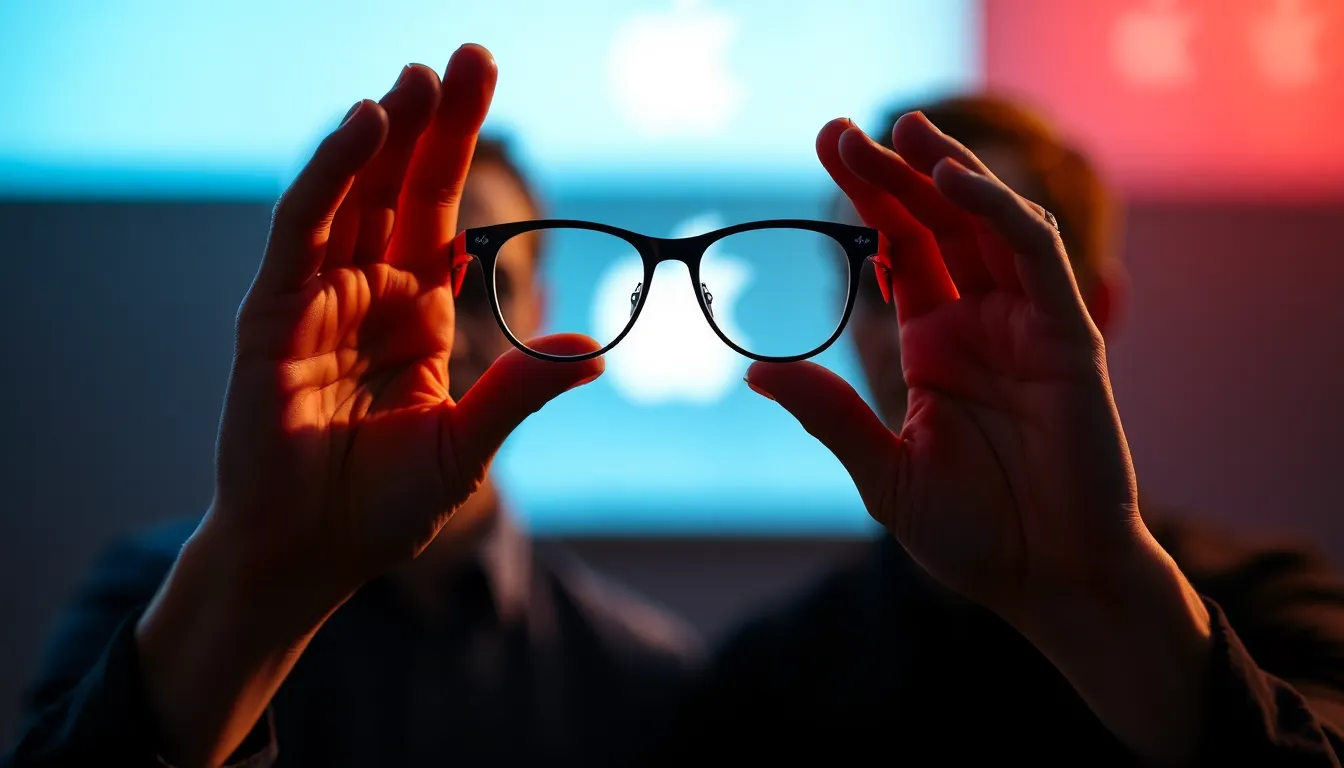
Apple's forthcoming smart glasses are generating considerable buzz in the tech community, with early 2027 launch expectations. According to recent reports, the device could incorporate hand gesture recognition capabilities—a feature notably absent from competing products like the Ray-Ban Meta Smart AI Glasses. The proposed implementation would utilize dual camera systems: one dedicated to photo and video capture, while the secondary lower-resolution lens focuses on detecting hand movements and facilitating Siri voice commands. This technology would represent a continuation of gesture controls previously featured in Apple's Vision Pro headset. The integration of hand gestures would theoretically provide users with an intuitive, touchless interface, allowing seamless interaction without physical contact or complex button sequences. However, this ambitious feature set raises important questions about practical feasibility and real-world performance. The distinction between concept and execution remains critical as Apple navigates the complexities of implementing reliable gesture recognition in a compact wearable form factor while maintaining acceptable battery life.
Expert Skepticism and Technical Limitations
Bloomberg reporter Mark Gurman has expressed considerable doubt regarding the feasibility of reliable hand gesture recognition with current technology constraints. Gurman's assessment suggests that implementing sophisticated gesture controls using only a single camera—without additional hardware like neural bands or eye-tracking sensors—remains technically unfeasible with existing solutions. He posited that Apple's initial smart glasses iteration will likely lack advanced gesture capabilities, focusing instead on simpler Siri integration through the dual-camera system. Power consumption represents another significant hurdle. Gesture recognition systems can demand substantial battery resources, potentially conflicting with Apple's design philosophy of maintaining sleek, lightweight frames. This creates a tension between feature ambition and practical device constraints. Battery endurance is particularly critical for wearable eyewear, where users expect all-day functionality without frequent charging. Additionally, developing reliable gesture recognition requires sophisticated machine learning algorithms and processing power, which further stresses battery systems. Rather than sophisticated gesture controls, Gurman suggested that early Apple glasses will prioritize essential functionalities like improved Siri integration, potentially coordinated with infrared-enabled AirPods Ultra for enhanced voice command capabilities.
Market Positioning Against Competitors
The competitive landscape for AI Smart 4K Camera Glasses continues evolving rapidly. Ray-Ban Meta Smart AI Glasses have already established a market presence with their camera-centric approach, capturing photos and videos while offering voice command features. These devices emphasize practical functionality over complex gesture controls. Apple's strategy appears to acknowledge this competitive positioning while attempting differentiation through advanced gesture recognition—should technical challenges be resolved. The initial Apple glasses design is expected to mirror the Ray-Ban Meta approach more closely, featuring cameras, speakers, and microphones but lacking integrated displays. Future iterations may introduce visual displays as technology matures. This phased approach allows Apple to establish market presence while developing more sophisticated iterations. The Titanium AI Smart Glasses concept suggests potential premium positioning with advanced materials and capabilities. Apple's announcement timeline—expected fall 2027 with actual market availability in early 2027—provides adequate development window for refining gesture recognition systems. Meanwhile, competitors continue advancing their own technologies. The smart eyewear market represents a burgeoning category with significant growth potential, making feature differentiation crucial for long-term success and market leadership.
Source: Apple Glasses rumored to feature Vision Pro-style hand gestures, but Mark Gurman is skeptical
We are a participant in the Amazon Services LLC Associates Program, an affiliate advertising program designed to provide a means for sites to earn advertising fees by advertising and linking to Amazon.com. As an Amazon Associate I earn from qualifying purchases. We also participate in other affiliate programs.