Android XR Smart Glasses 2026: Are They Finally Wearable?
Google's May 2026 Android XR Reveal: What Changed
When Google and its partners unveiled Android XR smart glasses prototypes at Google I/O on May 19, 2026, the augmented reality industry took a meaningful step forward. Unlike previous single-company bets, this platform approach involved four distinct partners—Warby Parker, Gentle Monster, Samsung, and Xreal—each bringing unique perspectives to wearable technology. What makes this significant is the diversity: fashion-focused brands created lightweight, everyday-wear frames, while tech companies developed performance-oriented mixed-reality units. Early hands-on reviews from Wired and The Verge highlighted that these aren't the clunky headsets of earlier years. Instead, they represent a genuine attempt to merge style with functionality. The inclusion of Gemini AI integration suggests these glasses will handle practical tasks like visual recognition, translation, and contextual information retrieval. Industry observers noted that this multi-brand approach signals broader ecosystem thinking—developers now have APIs to build against, and retailers can stock varied options matching different consumer preferences and budgets.
Style Meets Function: Two Markets Emerging in 2026
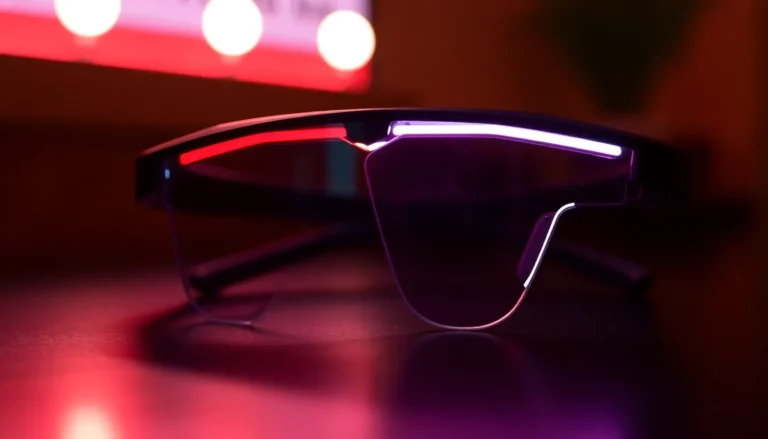
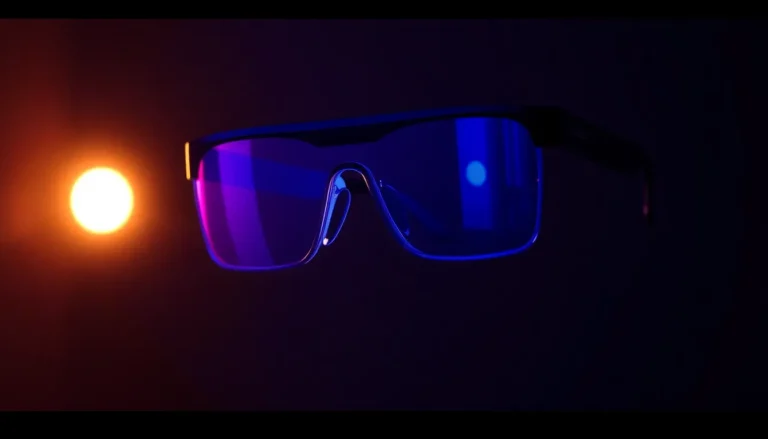
The 2026 lineup reveals an important industry split. On one end, brands like Warby Parker and Gentle Monster prioritize wearability and aesthetic appeal, positioning AI Smart 4K Camera Glasses as everyday accessories people won't feel self-conscious wearing. On the other end, Samsung and Xreal focus on mixed-reality performance for gaming and professional applications, offering richer visual experiences at higher price points. This dual-market strategy matters because it acknowledges that AR adoption requires different solutions for different users. Casual consumers want intelligent eyewear that looks normal and integrates AI assistance seamlessly into daily routines. Enthusiasts and professionals want immersive experiences with broader field of view and processing power. The Asus/Xreal preorder priced at $849.99 represents middle ground—premium enough for serious use, but more accessible than earlier enterprise solutions. Early reviewer reactions split between optimism about the fashion-first approach and caution about real-world usefulness, particularly regarding limited field of view in some models. This feedback suggests manufacturers are learning what consumers actually need.
Will the Software Ecosystem Keep Pace with Hardware?
Hardware excitement alone won't drive consumer adoption. The critical question facing the 2026 smart glasses market is whether developers and app ecosystems can deliver meaningful experiences quickly. Google's Android XR platform provides a foundation, but success depends on third-party developers creating wearable-first applications that justify the investment. Early developer interest appears positive—having multiple device partners and clear APIs means creators can target various use cases simultaneously. However, reviewers noted caution: limited field-of-view constraints in some Ray-Ban Meta Smart AI Glasses alternatives might frustrate developers accustomed to broader visual spaces. The key challenge involves timing. Manufacturers must ship products with competitive pricing and availability while developers build compelling software that highlights these devices' capabilities. If carriers, retailers, and app stores embrace Android XR glasses enthusiastically, momentum could accelerate throughout 2026. Conversely, delays in shipping dates or app availability could dampen consumer enthusiasm. Titanium AI Smart Glasses and premium alternatives will find niche audiences quickly, but mainstream adoption requires coordinated effort across hardware makers, software developers, and distribution channels working in genuine partnership.
Source: Android XR Partners Reveal 4 Devices In 2026 – Why It Matters Now
We are a participant in the Amazon Services LLC Associates Program, an affiliate advertising program designed to provide a means for sites to earn advertising fees by advertising and linking to Amazon.com. As an Amazon Associate I earn from qualifying purchases. We also participate in other affiliate programs.