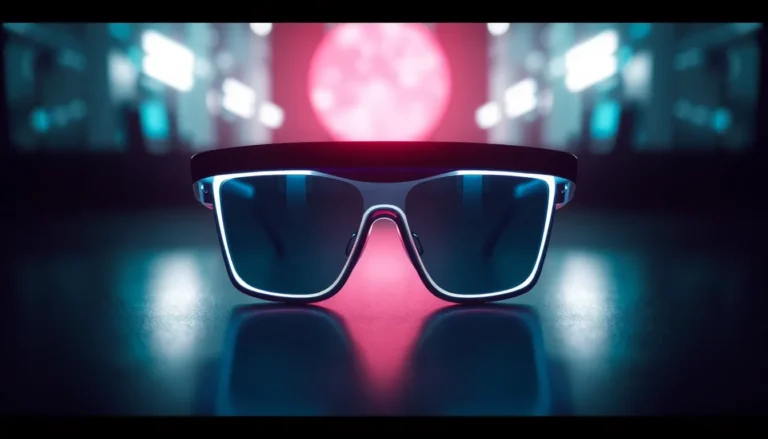
Android XR Smart Glasses 2026: Style Meets AI Innovation
A New Era for Wearable AR Technology
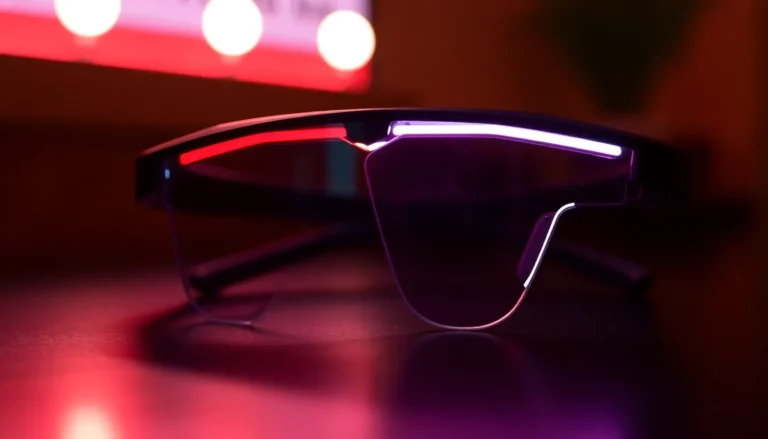
The May 2026 Google I/O showcase marked a significant milestone in augmented reality's evolution. Rather than pushing bulky, specialized headsets, Google and its partners—including Warby Parker, Gentle Monster, Samsung, and Xreal—demonstrated that smart glasses could finally blend seamlessly into everyday life. This collective approach transforms AR from a niche tech curiosity into a genuine consumer category. The diversity of designs presented suggests manufacturers have finally cracked the code: creating devices people actually want to wear. Early reviewers highlighted how these prototypes prioritize aesthetics alongside functionality, with integrated Gemini AI powering practical features. What makes this moment pivotal is the shift toward cross-brand compatibility through Android XR, eliminating the single-company ecosystem trap that plagued previous attempts. The promise of lightweight, stylish frames combined with generative AI capabilities suggests AR adoption could accelerate dramatically. Industry observers note this represents a fundamental rethinking—moving beyond performance-first engineering to user-experience-first design, where fashion and function coexist.
Market Segmentation: Two Distinct Opportunities Emerging
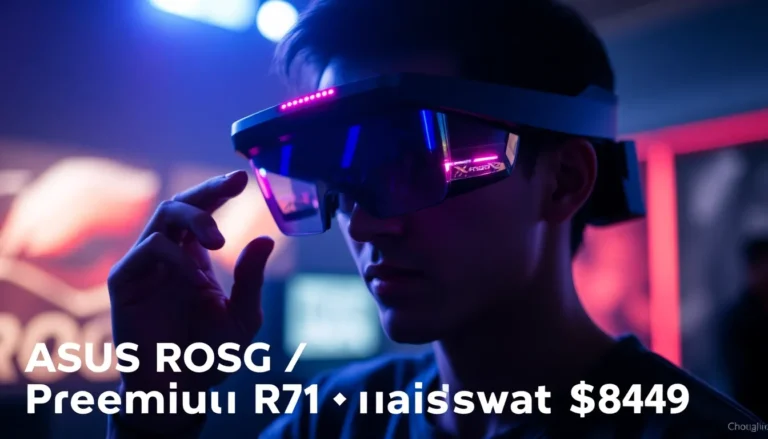
The prototype announcements reveal an industry split into two complementary markets. Fashion-forward options from Warby Parker and Gentle Monster target everyday consumers seeking stylish, accessible smart glasses with modest AI features. Conversely, Xreal and Samsung's heavier mixed-reality units aim at gaming enthusiasts and professional users willing to prioritize performance over portability. This dual-market strategy proves strategically sound—acknowledging that not all consumers have identical needs or preferences. The gaming-priced Xreal preorder at $849.99 positions performance-focused devices as premium products, while fashion-led alternatives likely aim for more competitive pricing. This segmentation allows developers to target specific use cases: daily wear glasses for notifications, navigation, and AI assistance versus immersive MR experiences for entertainment and workplace applications. Early tech coverage praised the audio quality and frame design variety across all models, though reviewers cautiously noted field-of-view limitations for deeply immersive applications. The question now centers on whether software ecosystems develop quickly enough to justify consumer investment across both categories.
What This Means for Buyers and Developers Moving Forward
For consumers, 2026 represents genuine choice in smart eyewear—a departure from previous years' limited options. Multiple manufacturers and design approaches mean buyers can select frames matching personal style while accessing integrated AI features. However, success hinges on software maturity and real-world utility. Developers face critical decisions about which market segment to prioritize, as optimizing for daily-wear lightweight glasses differs substantially from building immersive MR gaming experiences. The availability of Gemini AI integration across Android XR devices opens possibilities for innovative accessibility features, contextual assistance, and hands-free productivity tools. Early enthusiasm among tech reviewers reflects cautious optimism—acknowledging progress toward wearable AR while questioning whether practical applications justify consumer spending. The broader ecosystem matters enormously: carriers, retailers, and app stores must align quickly to capitalize on momentum. Success requires competitive pricing, diverse style options, killer applications, and clear shipping timelines. The convergence of fashionable design, lightweight hardware, artificial intelligence integration, and cross-brand platform support suggests 2026 could finally answer whether augmented reality becomes mainstream technology or remains niche entertainment.
Source: Android XR Partners Reveal 4 Devices In 2026 – Why It Matters Now
We are a participant in the Amazon Services LLC Associates Program, an affiliate advertising program designed to provide a means for sites to earn advertising fees by advertising and linking to Amazon.com. As an Amazon Associate I earn from qualifying purchases. We also participate in other affiliate programs.